

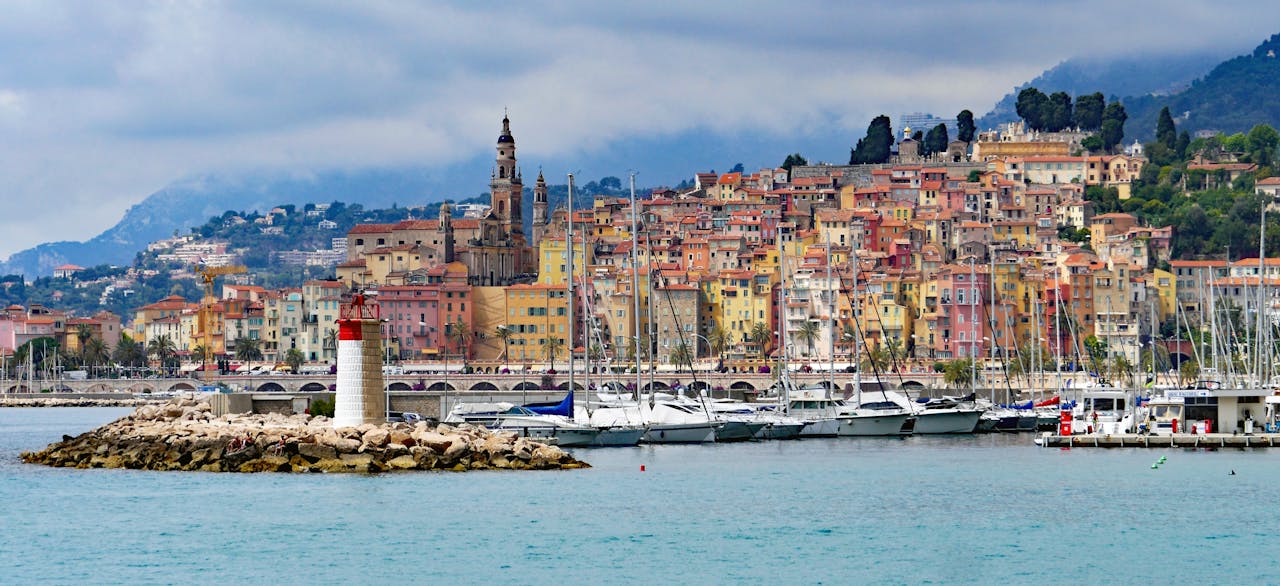
Let’s be honest – when most people think about the south of France, they picture eye-watering hotel prices, packed campsites, and tourist traps with overpriced rosé. And yeah, that version exists. But there’s another side to it, one that’s a lot more interesting and a lot easier on the wallet : staying in a B&B.
Chambres d’hôtes – that’s what the French call their bed and breakfasts – are genuinely one of the best ways to experience the south. You get a real room in a real home, often with a garden, a homemade breakfast, and an owner who actually knows the area. If you’re already looking into options, sejour-sud.com is worth bookmarking – it covers a solid range of stays across the region and is pretty useful for comparing what’s available before you commit to anything.
Why a B&B Makes Sense in the South of France
 Frankly, the south of France is huge. We’re talking Provence, the Languedoc, the Occitanie, the Var, the Gard, the Hérault… it’s not one place, it’s a dozen different regions stitched together by sunshine and lavender fields.
A B&B gives you something a hotel rarely does : a base that feels local. You’re staying in someone’s mas or bastide, eating breakfast on a terrace with a view of the garrigue, and getting actual tips on where to eat – not the tourist brochure version, the real one.
Prices ? Typically between €60 and €120 per night for two people, including breakfast. That’s often cheaper than a mid-range hotel, and the experience is honestly no comparison.
The Best Areas to Look for a B&B in the South
Provence (Vaucluse, Bouches-du-Rhône)
This is the classic. Villages like Gordes, Roussillon or Lourmarin are beautiful – maybe a little too beautiful, meaning busy in July and August. If you want Provence without the crowds, aim for the northern Luberon or the Alpilles in May, June or September. B&Bs here tend to be well-run, often by expats who’ve put real effort into the renovation.
Languedoc and the Hérault
Slightly less touristy than Provence, and cheaper for it. Around Montpellier, Pézenas or the Canal du Midi, you’ll find chambres d’hôtes tucked inside old wine estates and village houses. Breakfasts tend to involve local cheese and homemade jam – not the sad plastic-wrapped croissant situation. It’s a region I think is genuinely underrated.
The Gard and the Camargue edges
Nîmes, Uzès, the Pont du Gard area – this is strong B&B territory. Lots of old stone houses, owners who are genuinely proud of their region, and easy access to both the Camargue and the Cévennes. Maybe a bit overlooked compared to the Riviera, which is exactly why it works.
The Var (inland, not the coast)
The coast of the Var – Saint-Tropez, Sainte-Maxime – is expensive and often not worth it in peak season. But go 30 minutes inland and it changes completely. Villages like Cotignac or Tourtour have excellent small B&Bs, vineyards you can visit, and a pace of life that’s actually relaxing. This surprised me more than anywhere else.
What to Look For (and What to Avoid)
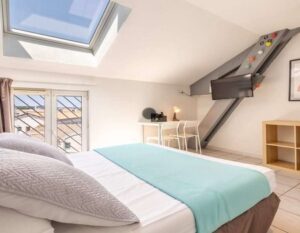 Not all chambres d’hôtes are equal. Some are wonderful. Some are just someone’s spare bedroom with a dodgy shower and a host who disappears after check-in.
Here’s what to check before booking :
The breakfast – Is it homemade or store-bought ? A good host will mention it. If the listing says “continental breakfast” with no further detail, manage your expectations.
The location – Is it actually in the village or five kilometres outside with no car ? Worth checking on a map.
The host – Read the reviews carefully. You want someone who’s present, communicative and knows the area. The ones who give you a list of restaurant recommendations on arrival are worth their weight in gold.
The room – Air conditioning is important in the south in summer. Don’t assume it’s included. Check.
How Much Should You Budget ?
Realistically, you’re looking at :
Budget end : €55–€75/night – simple but clean, often in rural areas, breakfast included.
Mid-range : €80–€110/night – comfortable rooms, lovely gardens, proper breakfasts, maybe a pool.
Higher end : €120–€160/night – beautifully restored properties, table d’hôtes dinners available, the kind of place you’d consider staying an extra night just because.
For most travellers, the mid-range sweet spot delivers the best value. You’re not roughing it, but you’re also not paying for a reception desk and a minibar you’ll never use.
When to Go
May, June and September are the best months. Full stop.
July and August exist, and B&Bs are available, but prices go up, availability drops and it’s genuinely hot – over 35°C is not unusual. If you can only go in summer, book at least two to three months ahead and look for places with a pool.
October is underrated. The light is softer, the crowds are gone, many vineyards are harvesting. Some B&Bs close from November, so check dates.
A Few Practical Tips Before You Book
 – Book directly with the host when possible. You’ll often get a better rate and more flexibility than through a booking platform.
– Ask about table d’hôtes. Many B&Bs in the south offer an optional dinner cooked by the host, usually around €25–€35 per person. It’s often the best meal of the trip.
– Don’t expect a hotel experience. There’s usually no 24-hour reception, no luggage storage, no room service. That’s the point. You’re a guest in someone’s home, and the whole thing works better if you approach it that way.
– Learn ten words of French. Even a basic “bonjour”, “merci” and “c’est délicieux” goes a long way. Hosts genuinely appreciate it.
The Bottom Line
If you want to actually feel the south of France rather than just tick it off a list, a B&B is the way to do it. You get the context, the conversation, the breakfast with olive oil from the neighbour’s tree, the recommendation for the village market on Thursday morning.
It’s not perfect for everyone – if you need privacy and anonymity, a hotel might suit you better. But for travellers who are curious, a bit flexible, and interested in something more than a room with a view ? Frankly, it’s hard to beat.
Leave a Reply